
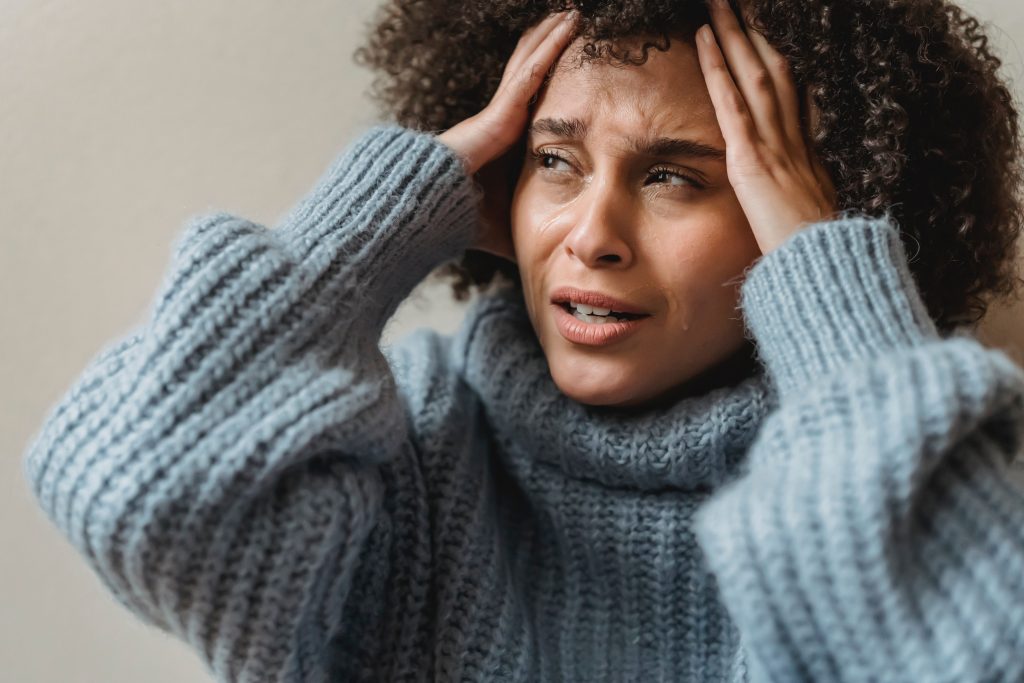
Many women going through the perimenopause experience mood swings however, they tend to seek help when it starts to adversely affect relationships at home, in their social and at work.
The cause of menopausal mood swings is complex but, put simply it occurs because of the big hormonal fluctuations that occur during the perimenopause.
Oestrogen has an important role in certain brain functions so declining levels can have an adverse psychological impact on some women.
Women with a history of premenstrual syndrome/premenstrual dysphoric disorder or postnatal depression tend to be more susceptible to menopausal mood swings.
There are evidence-based treatment options that your doctor can prescribe to improve this menopausal symptom.
** Please kindly refrain from requesting personal medical advice in the comments section as we are not indemnified to provide advice to people who are not formally under our care and will not be able to respond to these comments. If you are in need of specialist advice, please book an appointment with our Menopause Specialist here. **